Cost & Lead Time
Outlook: How Tariffs Impact AM Import Costs
Trade regulations shift the landed cost of outsourced additive parts by adding duty, documentation, and compliance overhead. Buyers should plan for material origin
Clear answers for industrial 3D printing buyers and engineers
Start with the stage of the sourcing process you are in.
Explore metal 3D printing methods, materials, machine types, and production considerations for complex metal parts.
Understand polymer and resin 3D printing technologies, material options, and applications for functional and prototyping parts.
Learn how to choose 3D printing materials based on mechanical properties, chemical resistance, and final part performance.
Find practical design guidelines for additive manufacturing, including geometry, tolerances, supports, and printability.
Review post-processing options for 3D printed parts, such as heat treatment, machining, surface finishing, and inspection.
Understand the factors that drive 3D printing costs and lead times, and how to estimate project budgets more accurately.
Use this guide to evaluate 3D printing service bureaus, compare capabilities, and select reliable partners for production parts.
Trade regulations shift the landed cost of outsourced additive parts by adding duty, documentation, and compliance overhead. Buyers should plan for material origin
Proper AM part preparation requires documenting part orientation, support geometry, and finishing zones before the build. This workflow links digital files to physical
Metal AM defense programs are moving from low-volume prototypes to serial production. Buyers must plan for tighter qualification gates, hybrid supply models, and digital

Annealing relieves internal stresses and refines microstructure in metal AM parts. It improves strength, ductility, and dimensional stability. The specific heat

Import regulations are reshaping global resin sourcing. This article outlines five shifts buyers should expect in polymer 3D printing supply chains. It covers material

For chemical pumps, MJF generally outperforms SLA in chemical resistance and structural consistency. SLA remains useful for non-critical seals or prototyping. The choice

Selecting a 3D printing surface finishing partner requires verifying material compatibility, tolerance control, and inspection capabilities. Review vendor portfolios for
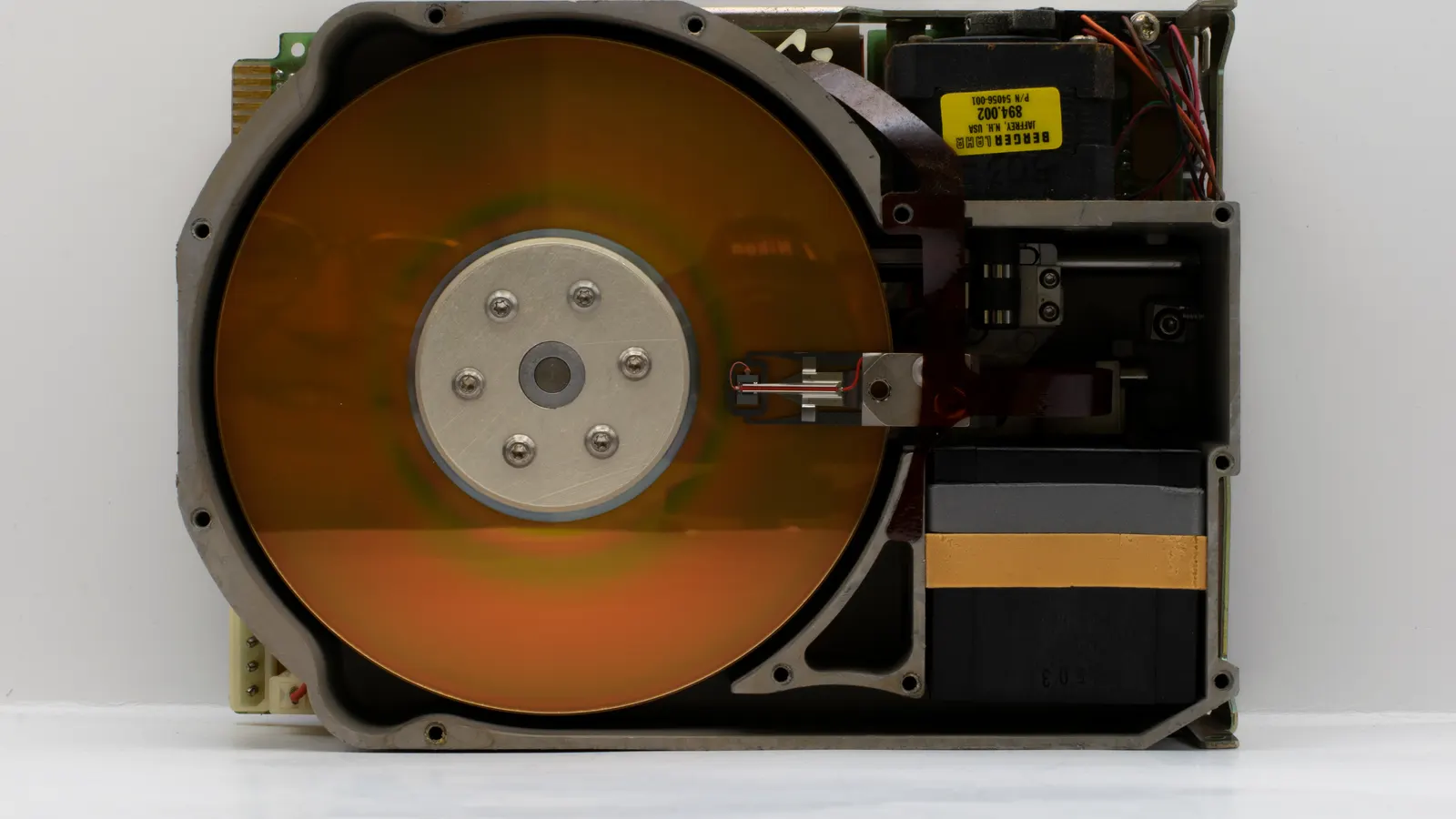
Warping in nylon FDM parts comes from uneven cooling and poor bed adhesion. This guide covers bed prep, temperature tuning, and cooling settings to reduce distortion and
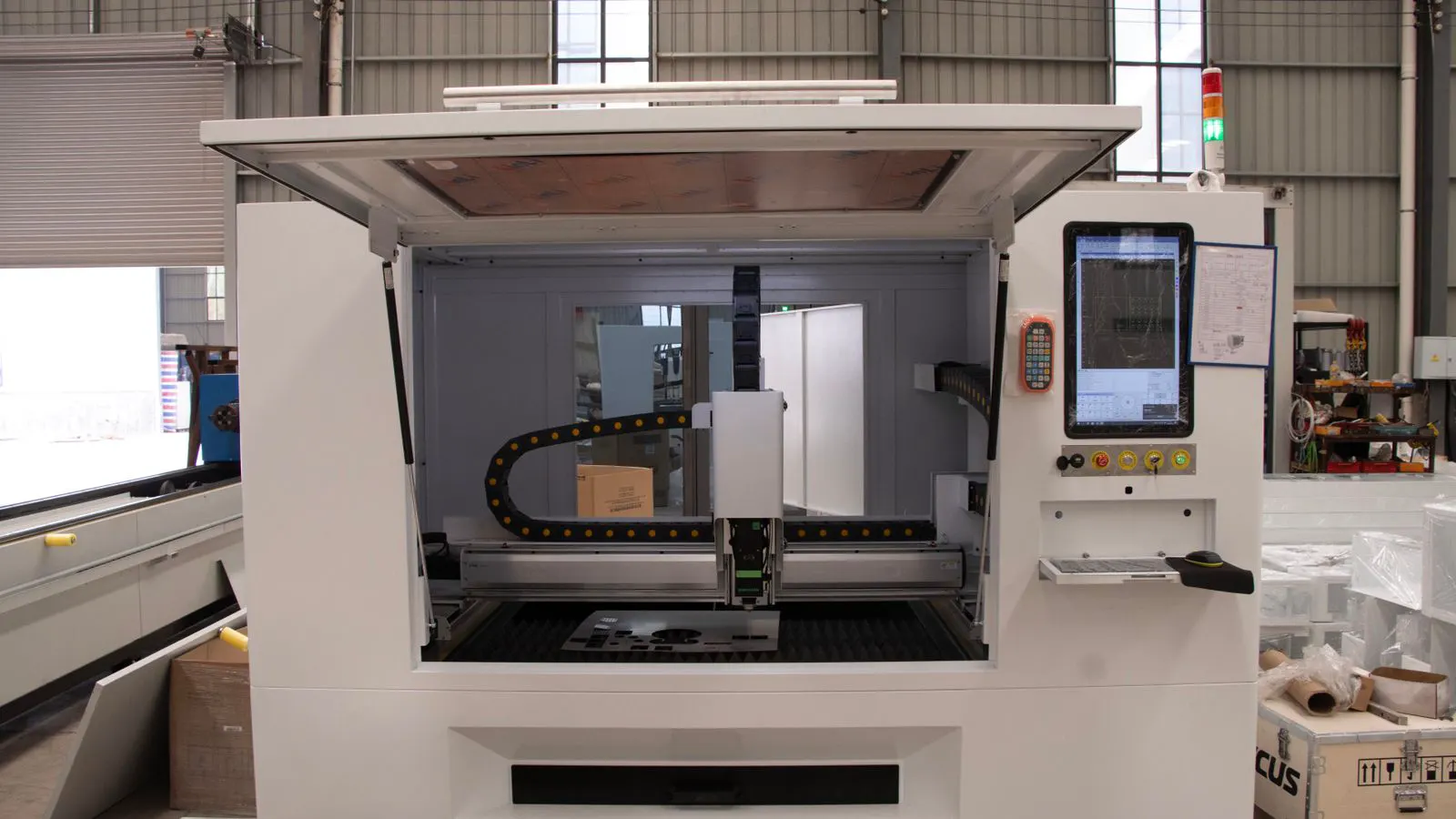
Aluminum and PEEK AM parts differ in material cost, post-processing, and delivery time. This guide explains what drives price, how to structure a clear RFQ, and how to
Industrial 3D printing decisions turn on supplier capability, material choice, design constraints, and quality checks. This site breaks those factors into plain terms so buyers can compare options and ask the right questions during supplier selection.
The guides cover metal additive manufacturing, polymer and resin printing, materials selection, design for additive, post-processing, cost and lead time, and choosing a service bureau. Each article focuses on the trade-offs that affect production and procurement, using examples from real part categories and common failure points.
Metal printing produces parts from powder bed fusion or directed energy deposition, suitable for high-strength structural and tooling applications. Polymer printing covers FDM, SLA, and DLP, which are generally more cost-effective for prototypes, low-volume tooling, and non-critical structural parts.
Material selection depends on mechanical requirements, service environment, and post-processing steps. Consider tensile strength, heat resistance, chemical compatibility, and surface finish. Request test reports or material certifications from the supplier, especially for safety-critical or regulated applications.
Require dimensional inspection, density or porosity testing, and surface finish verification. For metal parts, request CT scans or radiographic inspection if internal defects are a concern. Ask for the specific inspection standards used and whether reports are included in the quote.
Cost depends on part complexity, volume, material, and post-processing. Additive manufacturing can be cheaper for complex geometries and low volumes because it avoids tooling. For high-volume, simple parts, CNC or injection molding often remain more economical.
Design for additive by considering orientation, support structures, and wall thickness. Avoid overhangs where possible and use consistent wall thickness. Design for post-processing by leaving room for machining or surface finishing if required.
Check process capabilities, material certifications, quality management systems, and past work in your industry. Ask about lead times, revision handling, and how they document inspection results. Request samples or reference parts to verify quality before placing a production order.