Metal 3D Printing: Cost and Lead Time
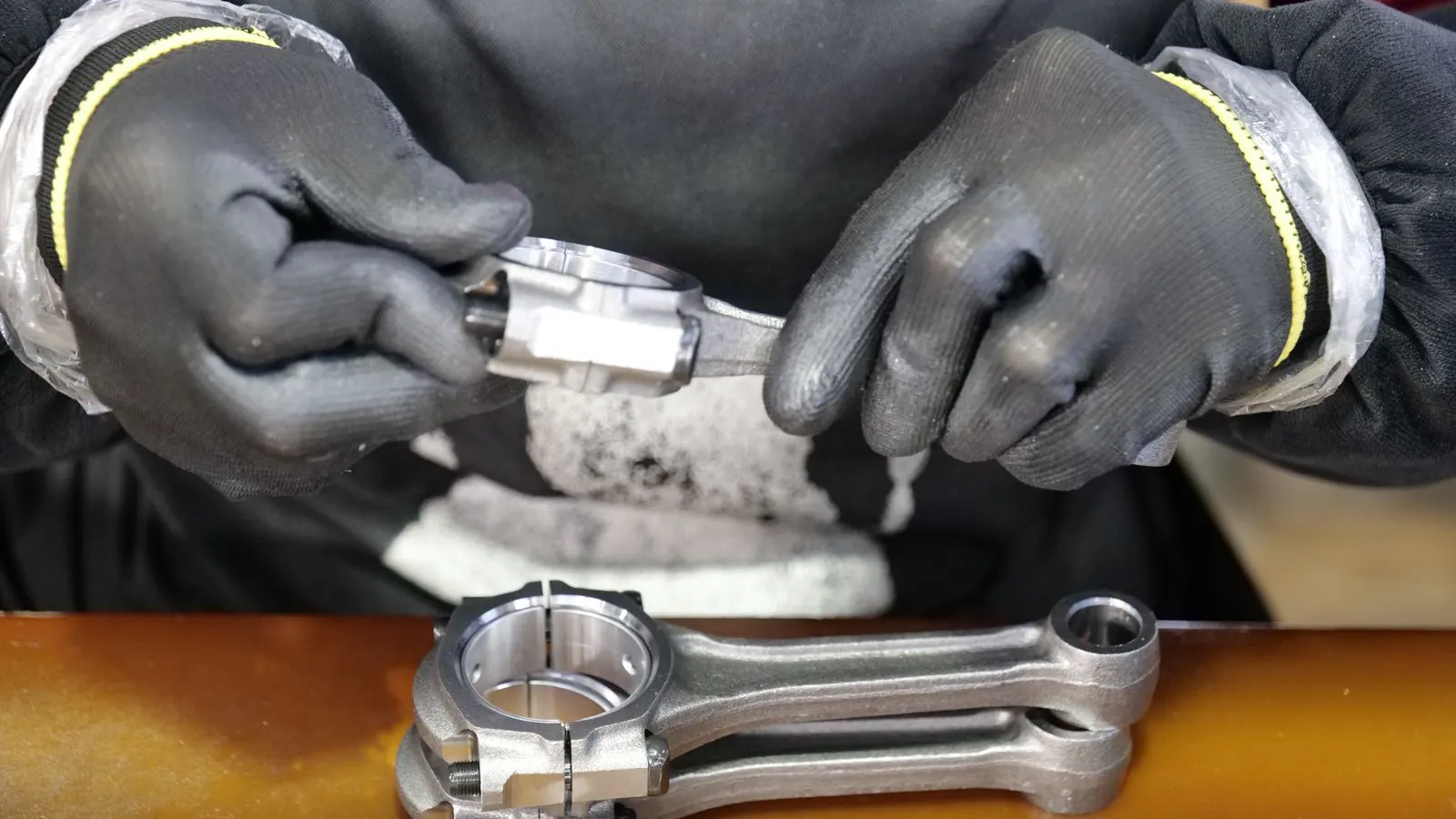
Metal 3d printing cost depends on material, build volume, post-processing, and complexity. Lead times vary by process and urgency. A clear RFQ with drawings and tolerances helps you compare 3d printing service bureau quotes fairly.
- Metal 3d printing cost is driven by material, build volume, post-processing, and part geometry, not just machine time.
- Lead time depends on process type, material availability, and whether you request rush service.
- A clear RFQ with drawings, tolerances, and surface finish requirements leads to more accurate and comparable quotes from additive service bureaus.
- Compare quotes on a per-part basis, including all post-processing steps, to avoid hidden costs.
- Asking for a sample or trial run before full production can reduce risk and validate the chosen additive service bureau.
What Drives Metal 3D Printing Cost
Metal 3d printing cost is rarely a single number. It is a stack of variables that add up quickly. The machine time is often the smallest part of the bill. Material cost, post-processing, and engineering support can outweigh the printing itself.
The first cost driver is material. Different alloys have different prices per kilogram. Titanium, for example, costs more than stainless steel. Material cost also depends on how much powder is consumed and how much is recovered and reused. A service bureau may charge a material surcharge for specialty alloys or certified grades.
The second driver is build volume. Most metal additive machines print in layers inside a fixed chamber. If your part is small, you can pack many identical parts into one build volume. If your part is large or has complex features that require a large build envelope, you may need multiple builds or a larger machine. Both increase cost.
The third driver is post-processing. Raw metal 3d printed parts are not ready for use. They need support removal, heat treatment, machining, grinding, or surface finishing. These steps are labor intensive and often use CNC machines. A part that needs five hours of CNC finishing will cost more than a part that only needs support removal.
The fourth driver is complexity. Thin walls, overhangs, and intricate internal structures can slow down the build process or increase the chance of failure. More failure means more material consumed and more time spent on retries.
The fifth driver is quantity. A single prototype may cost more per part than a batch of fifty. However, the minimum order size can be small, which is one reason companies use additive service bureaus for low volume production.
Typical Lead Times for Metal AM Projects
Lead time depends on the process, the material, and the urgency of your request. A standard order through an additive service bureau often takes two to four weeks from file receipt to delivery. Rush orders can be shorter, but they carry a premium.
The process type matters. Selective laser sintering and selective laser melting are common for metal parts. Both require a build, a cool down, and a post-processing cycle. Some materials require specific heat treatment sequences that add days to the schedule.
Material availability can also delay delivery. Some specialty alloys or certified grades may not be in stock at the service bureau. They may need to be ordered, which adds a week or more.
Post-processing is often the longest part of the schedule. If your part needs heat treatment, surface coating, or precision machining, those steps can take several days. The service bureau may outsource some of these steps to a partner shop, which can extend the timeline.
Rush service is available but costs more. If you need a part within a few days, the bureau may prioritize your job, use a faster process, or charge an expedite fee. The trade-off is a higher cost.
How to Write a Clear RFQ
A clear request for quotation reduces back and forth and helps you compare quotes fairly. Start with the drawings. Provide 3D CAD files in a common format such as STEP. Include a 2D drawing with critical dimensions and tolerances.
State the material. If you have a specific alloy in mind, name it. If you are open to alternatives, say so. A service bureau can suggest a material that is cheaper or easier to process.
Describe the surface finish. Raw metal 3d printed parts have a rough, textured surface. If you need a smooth finish, specify the required Ra value or the acceptable surface texture.
List the post-processing steps. Tell the bureau what the part must do. If it needs to be anodized, coated, or machined, say so. If it will be used in a functional application, mention the load or environment.
Include quantity. A quote for one part is very different from a quote for a hundred. Even if you only need one now, mention that you may need more in the future. Some service bureaus offer volume pricing.
Add any regulatory or quality requirements. If the part is for aerospace, medical, or automotive use, state the standards or certifications you need. This affects the material traceability and the documentation the bureau must provide.
How to Compare Quotes Fairly
Quotes from different additive service bureaus are not always comparable. One bureau may include post-processing in the price. Another may list it as an extra. One may use a cheaper material. Another may use a certified alloy.
Compare the total landed cost. Add material, printing, post-processing, shipping, and any engineering support. Ask each bureau to break down the cost by step. This makes hidden charges visible.
Look at the lead time. A cheaper quote with a six week lead time may not be useful if you need the part in three weeks. A more expensive quote with a two week lead time may be the better choice.
Check the scope of support. Does the bureau include DFM feedback, design review, and quality inspection? These services add cost but can save you time later.
Ask about the failure rate. Metal 3d printing is not always successful. Some builds fail due to warping, porosity, or heat cracking. A reputable service bureau will tell you about typical failure rates and how they handle retries.
Common Mistakes That Inflate Cost
The most common mistake is sending a part that was not designed for 3d printing. Sharp internal corners, thin features, and unsupported overhangs can cause failure. The service bureau may need to redesign the part, which takes time and may change the cost.
Another mistake is not specifying the surface finish. If you assume the part will come out smooth, you may be surprised. If you then order a second round of machining, the cost increases.
A third mistake is ignoring material choice. Some materials are harder to print and require more post-processing. Choosing a simpler alloy can reduce cost and lead time without affecting performance.
A fourth mistake is not asking for a sample. If you are producing a new part, order one or two samples first. This lets you check the fit and function before committing to a larger run.
When to Choose a Service Bureau vs In House
In house metal 3d printing makes sense when you have high volume needs, specialized materials, or tight IP requirements. You control the process, you can optimize build orientation, and you can protect your designs.
A 3d printing service bureau makes sense when you have low volume needs, need a new material, or want to avoid the capital cost of a machine. You get access to multiple processes and materials without buying equipment. You also get post-processing capabilities that may be expensive to run in house.
The best choice depends on your volume, your timeline, and your engineering capacity. Many companies use both. They run low volume prototypes through an additive service bureau and move to in house printing when the design stabilizes.
Cost and Lead Time Table
The table below shows the main factors that affect metal 3d printing cost and lead time. The values are general ranges and will vary by bureau and part.
| Factor | Effect on Cost | Effect on Lead Time |
|---|---|---|
| Material type | Higher cost for specialty alloys | May add time if material is not in stock |
| Build volume | Larger parts increase material and machine time | Larger builds take longer to print |
| Post-processing | Machining, heat treatment, and coating add labor cost | Post-processing steps add days to the schedule |
| Part complexity | Thin walls and overhangs increase failure risk | Retries add time to the build cycle |
| Quantity | Higher volume lowers cost per part | Small batches may be scheduled faster |
| Rush service | Expedite fees increase total cost | Shortens lead time to days |
Final Thoughts
Metal 3d printing cost is not a mystery. It is a set of variables that you can control. Material, build volume, post-processing, and complexity are the main drivers. Lead time depends on process, material availability, and urgency.
A clear RFQ helps you get accurate quotes. Compare quotes on total landed cost, not just the print fee. Ask for a sample before full production. Use a 3d printing service bureau when you need flexibility, access to materials, or low volume production.
The goal is to match the process to the part. Choose the material that works. Specify the finish. State the quantity. Then compare the quotes and pick the bureau that fits your timeline and budget.
Frequently asked questions
What is the main factor that drives metal 3d printing cost?
Material cost is often the largest single factor, followed by post-processing and build volume. Machine time is usually a smaller part of the total bill.
How long does metal 3d printing take?
A standard order takes two to four weeks from file receipt to delivery. Rush orders can be shorter but cost more.
What should I include in a metal 3d printing RFQ?
Include CAD files, critical dimensions and tolerances, material choice, surface finish requirements, post-processing steps, quantity, and any quality standards.
Can I compare quotes from different service bureaus directly?
Only if the scope is the same. Ask each bureau to break down the cost by step and confirm what is included in the price.
Should I order a sample before full production?
Yes. A sample lets you check fit and function and can reveal design issues before you commit to a larger run.