Comparison: MJF vs SLS for Mid-Volume Jigs
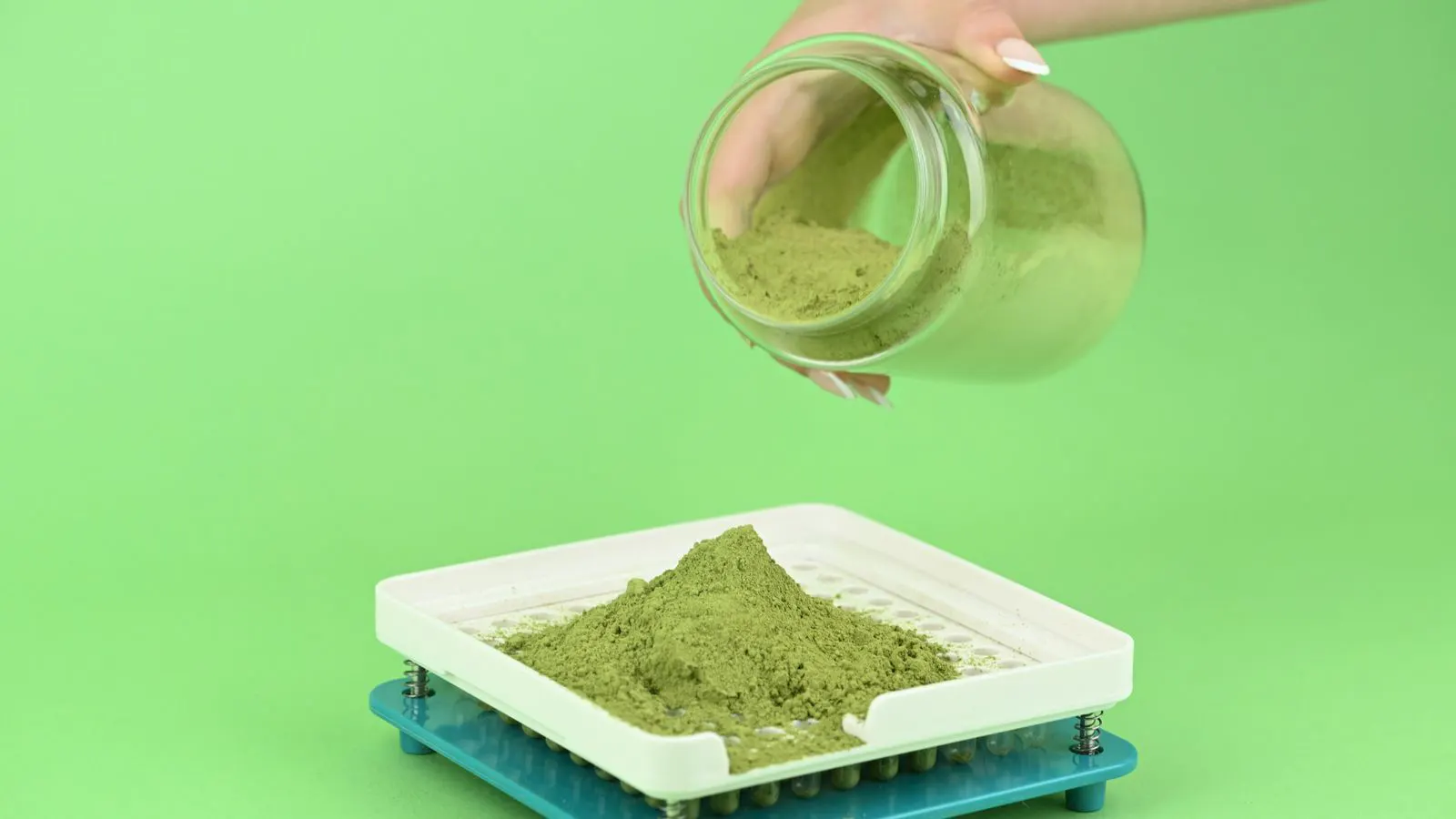
MJF often reduces total cost through faster build times and no support material, while SLS offers a broader material list. Procurement teams should model cycle time, post-processing, and batch size to match the process to jig requirements.
- MJF generally shortens cycle time for polymer jigs because it requires no support structures.
- SLS remains attractive when a specific nylon or glass-filled material is required.
- Total cost depends on batch size, post-processing labor, and supplier pricing models.
- Lead time depends on machine availability, powder changeover time, and finishing requirements.
- Procurement teams should request both process options for identical files before finalizing a supplier.
Why jig volume changes the process decision
Mid-volume jig production sits in a narrow band where tooling costs do not justify metal injection molding, but single-piece fabrication feels inefficient. Teams usually order between a few dozen and a few hundred identical jigs per month. The process choice here rarely comes down to raw part price alone.
The two polymer powder bed processes that dominate this volume range are MJF and SLS. Both use nylon-based powders and both produce parts without visible layer lines. The differences appear in build speed, material availability, and post-processing steps.
A procurement team evaluating these options needs to look at the full lead time. A supplier may quote a short machine run time but then add days for support removal, washing, and curing. The machine run time is only one part of the equation.
How MJF and SLS differ at the machine level
MJF uses a laser to sinter a thin layer of powder while a thermal head deposits a liquid coating. The coating makes the unsintered powder behave like a support structure. The process fuses the part in place without adding mechanical supports.
SLS uses a CO2 laser to sinter the powder. Parts are built inside a bed of unsintered powder that acts as the support. After a build, the team removes the part from the powder and washes it in a solvent bath.
The difference matters for cycle time. MJF builds are often faster because the process runs continuously and does not require support removal before washing. SLS builds require more manual handling between the machine and the wash tank.
For a jig with complex geometry, MJF can reduce the number of machine hours. A simple block jig may not show the same difference. The benefit grows with internal channels, thin walls, and overhangs.
Comparison of MJF vs SLS for mid-volume jigs
The table below summarizes the trade-offs for a typical mid-volume jig program. The values are general ranges based on typical process behavior, not fixed supplier prices.
| Option | Best for | Limitations |
| MJF | Fast cycle times, complex geometry, consistent nylon parts | Fewer specialty material options than SLS |
| SLS | Broader material list, glass-filled nylon, established process | Slower per-part cycle, more post-processing labor |
| Hybrid sourcing | Balancing material availability with speed | Adds coordination time across multiple suppliers |
MJF works well when the jig design is fixed and the team needs a consistent supply over several months. The process handles repeated builds with minimal changeover. The powder bed system is designed for production runs.
SLS works well when the jig requires a specific material property that MJF does not offer. Glass-filled nylon, for example, is common in SLS and less common in MJF. Some suppliers may offer similar materials under different names, but the exact chemistry matters.
Hybrid sourcing means using MJF for the base jig and SLS for a small set of parts that need special material properties. This approach can reduce cost but adds complexity. The procurement team needs to manage two suppliers and two quality plans.
How lead time breaks down in practice
Lead time has four components. The first is the time from receiving the approved file to starting the build. The second is the machine run time. The third is post-processing. The fourth is inspection and shipping.
For MJF, the machine run time is often shorter. The parts come out of the machine in a stable state. The team still needs to remove the coating and cure the parts. Some suppliers handle this in-house. Others ship parts to a finishing partner.
For SLS, the machine run time may be longer. The parts must be removed from the powder bed, washed, and cured. The wash step takes time and labor. A team handling a large batch may need to run the wash tank multiple times.
Supplier availability matters more than machine speed. A supplier with two MJF machines may deliver a batch faster than a supplier with one SLS machine, even if the SLS machine runs continuously. The team should ask how many builds per week the supplier can run in parallel.
How mid-volume additive cost is calculated
The cost of a mid-volume jig program includes material, machine time, post-processing, and overhead. Material cost is usually a small fraction of the total. Machine time and labor drive the price.
MJF can reduce machine time cost. If a build takes half the hours of an equivalent SLS build, the material cost per part drops. The post-processing cost may also be lower because there is no support removal step.
SLS can reduce material cost if the team needs a specific material. If the material in the MJF option is not available or requires a different supplier, the price difference changes. The team should request quotes for the same file, same material, and same finish.
Overhead includes quality checks, packaging, and shipping. A supplier that ships in a single consolidated batch may charge less than a supplier that ships in weekly drops. For jigs, a consolidated batch usually makes sense because the parts are used on the same assembly line.
The team should also consider the cost of rework. If a part fails during assembly, the cost of replacing it includes labor on the line. A small increase in part price may be acceptable if it reduces failure rate.
When to pick MJF for jig production
Pick MJF when the jig design is stable and the team needs a fast, repeatable supply. The process handles complex geometry well. Parts come out with a smooth surface that may need less finishing.
MJF is a good fit for jigs that have internal channels or thin walls. The coating process supports these features without adding mechanical supports. The parts are strong and consistent from build to build.
The team should verify the material. Ask for the material data sheet and the supplier’s lot traceability. A jig that holds a hot component needs a material with a defined heat resistance. The supplier should confirm the material meets the requirement.
Pick MJF when the batch size is large enough to justify a dedicated build slot. A supplier that runs the build on a busy production schedule may add days to the lead time. A dedicated build slot shortens the turn time.
When to pick SLS for jig production
Pick SLS when the material requirement is specific. Glass-filled nylon is a common example. If the jig needs higher stiffness or heat resistance, SLS may be the only option. The team should confirm the material name and the supplier’s certification before committing.
SLS is also a good fit when the team needs a supplier that already has the material in stock. A supplier with a large SLS fleet can run the build immediately. A supplier with a small MJF fleet may need to order powder or wait for a slot.
The post-processing step adds time. The team should ask how many hours the wash and cure steps take. If the jig is used in a time-critical assembly, the extra days may not be acceptable.
Pick SLS when the jig design changes frequently. The process is well understood and the supplier base is large. The team can switch suppliers if lead time becomes a problem.
How to structure the supplier request
A clear request reduces the chance of a mismatch. The team should provide the 3D file, the material requirement, the batch size, and the delivery date. The request should ask for two process options.
The supplier should quote the total landed cost. This includes the part, post-processing, packaging, and shipping. The team should ask for the lead time from approved file to delivery. The lead time should include quality checks.
The team should ask about the post-processing method. For MJF, ask about coating removal and cure time. For SLS, ask about wash time and cure time. The team should ask about the surface finish. A jig that contacts a plastic part needs a smooth surface.
The request should include a sample build. A single part run allows the team to verify fit and function before committing to a batch. The sample should be inspected with the same checks used for the production batch.
A well-structured request gives the procurement team a clear basis for comparison. The team can look at the total cost and lead time side by side. The decision becomes a matter of matching the process to the requirement.
Frequently asked questions
Which process is faster for a mid-volume jig?
MJF is usually faster because it does not require support removal. The parts come out of the machine in a stable state. SLS requires washing and curing, which adds time.
Can I switch from SLS to MJF later?
Yes, if the material requirement is compatible. The team should verify the material properties and surface finish. The supplier may need to adjust the build parameters.
What is the best batch size for MJF?
There is no fixed best size. The team should look at the total cost and lead time. A larger batch usually reduces the cost per part.
How does post-processing affect the final price?
Post-processing adds labor and time. For MJF, the coating removal and cure steps add cost. For SLS, the wash and cure steps add cost. The team should ask for the total landed cost.
How do I qualify an AM supplier for jigs?
Request a sample build and ask for the material data sheet. Ask about the post-processing method and the lead time. The team should verify the supplier's quality plan.