Outlook: Resin Machine Downtime and Supply Chain Costs
Resin AM supply chain disruptions and machine downtime directly impact future project budgets. Buyers should plan for resin logistics volatility, maintenance scheduling, and material substitution. These shifts require proactive inventory management and flexible sourcing strategies.
- Resin logistics disruptions can delay parts when single-source materials fail to arrive.
- Machine downtime costs rise when unplanned maintenance halts production runs.
- Dual-source resin suppliers reduce supply chain risk for critical projects.
- Preventive maintenance schedules lower unexpected downtime and repair costs.
- Flexible part design allows quick material substitution when stock runs low.
How resin supply chain disruptions affect project budgets
Resin AM supply chain disruptions hit project budgets in two ways. Material shortages delay production. Logistics failures extend lead times. Both outcomes raise costs for buyers who depend on resin parts for functional prototypes or low-volume production.
A common failure point is the resin itself. Photoresins have specific storage requirements. Temperature swings and humidity changes degrade material quality. Shipping delays from the supplier compound the problem. A part that should print in three days waits five while a new bottle arrives.
Machine downtime adds another layer of cost. When a printer fails, the build chamber sits empty. The operator shifts to other tasks. The project timeline slips. If the part is a critical tool for an assembly line, the delay cascades into downstream operations.
Buyers often underestimate these costs. They plan for material and machine time. They forget to budget for contingency. The result is a project that overruns its timeline and budget.
What are the primary drivers of machine downtime?
Machine downtime in resin AM comes from three main sources. Mechanical wear, material handling errors, and software or calibration issues.
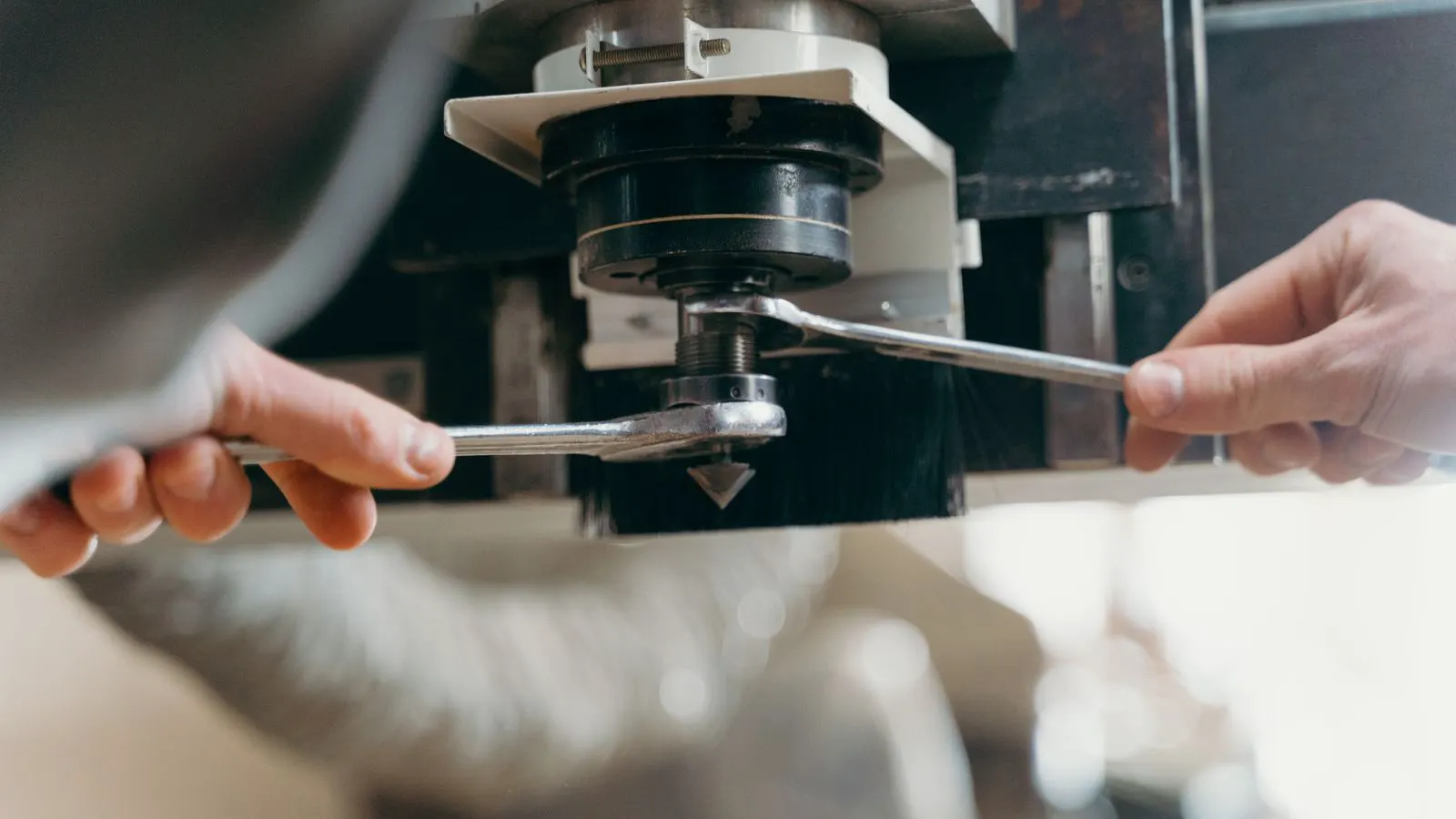
Mechanical wear affects pump systems, print heads, and build platform motors. These components degrade with use. Without regular inspection, they fail during critical production windows. A pump seal that leaks resin onto the build chamber causes a full cleanup. The printer goes offline for several hours.
Material handling errors introduce bubbles or contaminants into the resin tank. Bubbles in the vat create print defects. The part fails inspection. The operator must drain the resin, clean the vat, and restart the job. This cycle wastes time and material.
Software and calibration issues are less visible but equally disruptive. A misaligned build platform throws off part geometry. A failed exposure cycle leaves layers unprinted. Diagnosing these problems requires technical knowledge and often external support.
How do resin logistics issues increase costs?
Resin logistics issues increase costs through storage, transport, and compliance. Resin is a chemical material. It requires temperature control and proper labeling. Shipping it across regions or countries adds complexity.
A supplier in one region may face port congestion. A trucking company may miss a delivery window. The resin arrives late or damaged. The buyer pays for expedited shipping to recover the schedule.
Storage conditions matter. Resin stored too long in a warm environment thickens. The viscosity changes. Print quality degrades. The buyer discards the material and orders fresh stock. This waste drives up the per-part cost.
For global buyers, regulatory compliance adds another layer. Different countries classify resin differently. Some require special handling, documentation, or approval. Failing to meet these requirements delays customs clearance. The part never reaches the build chamber.
How should buyers prepare for supply chain volatility?
Buyers should prepare for supply chain volatility with three strategies. Dual sourcing, safety stock, and flexible part design.
Dual sourcing means qualifying two or more resin suppliers for the same material. Each supplier must deliver consistent quality. The buyer tests parts from both sources. When one supplier fails, the other steps in without redesign.
Safety stock covers the gap between ordering and arrival. A buyer who orders resin just-in-time faces risk when logistics stall. Holding a buffer of two to four weeks of material absorbs the delay. The cost of storage is lower than the cost of a delayed project.
Flexible part design allows quick material substitution. A part designed for a specific resin can often print in a similar material with minor adjustments. The buyer documents these alternatives. When the primary resin is unavailable, the team prints in the substitute. The part still functions.
What is the real cost of unplanned downtime?
The real cost of unplanned downtime includes direct and indirect expenses. Direct costs cover labor, material waste, and repair parts. Indirect costs cover schedule delays and customer impacts.
A four-hour downtime event on a production printer costs more than the repair fee. The operator spends four hours cleaning and recalibrating. The resin in the vat may need replacement. The next scheduled part waits. If that part is a tool for a production line, the line stops.
Indirect costs are harder to measure but often larger. A customer expects a prototype by Friday. The printer fails on Wednesday. The buyer offers a discount or pays a penalty. The relationship suffers. The buyer spends time managing the delay instead of advancing the next project.
How do preventive maintenance and monitoring reduce risk?
Preventive maintenance and monitoring reduce risk by catching issues before they become failures. A maintenance schedule includes cleaning build chambers, inspecting seals, and checking calibration.
Monitoring adds a layer of protection. Sensors track temperature, viscosity, and exposure times. An alert triggers when a parameter drifts. The operator addresses the issue before the print fails.
A buyer who follows a strict maintenance plan experiences fewer unplanned downtime events. The printer runs longer between service visits. The project timeline holds. The cost per part stays stable.
Practical shifts for future project budgets
Five shifts help buyers prepare for resin AM supply chain and downtime costs.
- Qualify secondary resin suppliers early. Test them on a non-critical part. Document the process.
- Hold a small buffer of material for long-lead projects. Store it in a climate-controlled area.
- Build downtime contingency into the project timeline. Add a one to two day buffer for critical parts.
- Standardize part geometry where possible. Use common build orientations to simplify material substitution.
- Track downtime hours and costs. Use the data to refine maintenance schedules and supplier selections.
These shifts do not eliminate risk. They reduce the impact when disruptions occur. The budget reflects a realistic view of resin AM supply chain and downtime costs.
Cost comparison for different preparation levels
The table below shows how different preparation levels affect project costs. The comparison is qualitative. It shows the trade-offs between planning effort and risk exposure.
| Preparation Level | Primary Risk | Cost Impact | Timeline Impact |
|---|---|---|---|
| No buffer, single source | Material shortage | High | High |
| Small buffer, single source | Logistics delay | Medium | Medium |
| Dual source, small buffer | Supplier failure | Low | Low |
| Dual source, large buffer, flexible design | Minimal | Minimal | Minimal |
The table makes one point clear. Preparation reduces cost and timeline risk. The more layers of redundancy a buyer adds, the less exposed the project is to supply chain and downtime events.
How to monitor and respond to disruptions
Monitoring supply chain health starts with supplier communication. A reliable supplier shares inventory levels and production updates. The buyer sets up a regular check-in. When a delay appears, the buyer activates the backup plan.
Response planning matters as much as monitoring. The buyer defines who makes the decision to switch suppliers or substitute material. The buyer documents the approval process. When a disruption hits, the team follows the plan. They do not improvise.
A clear response plan shortens the recovery time. The part resumes printing sooner. The budget holds. The project meets its delivery date.
Final thoughts on budgeting for resin AM
Resin AM supply chain and machine downtime costs are not hypothetical. They are real variables that shape every project. Buyers who plan for them build budgets that survive disruption. Buyers who ignore them face overruns and delays.
The shift is simple. Treat resin logistics and machine downtime as first-class cost drivers. Plan for them. Prepare for them. Measure the results. The project budget reflects the true cost of resin AM. The timeline reflects a realistic view of what is possible.
Frequently asked questions
How long should a resin buffer last?
Two to four weeks of material covers most logistics delays. The exact duration depends on the supplier's lead time and the project's criticality.
Can a part switch to a substitute resin without redesign?
Often yes. Similar resins with comparable properties can print the same part. The buyer tests the substitute on a sample before committing to production.
What is the fastest way to reduce downtime risk?
A strict preventive maintenance schedule. Regular cleaning, seal inspection, and calibration checks catch issues before they cause a full failure.
Do global buyers face higher supply chain costs?
Yes. Cross-border shipping adds compliance, customs, and transit time. The cost increase comes from both the material and the logistics complexity.
How do you track the cost of downtime?
Record the hours the printer is offline. Add labor, material waste, and repair costs. Compare the total to the project's contingency budget.