Comparison: FDM vs SLS for Chemical Exposure Parts
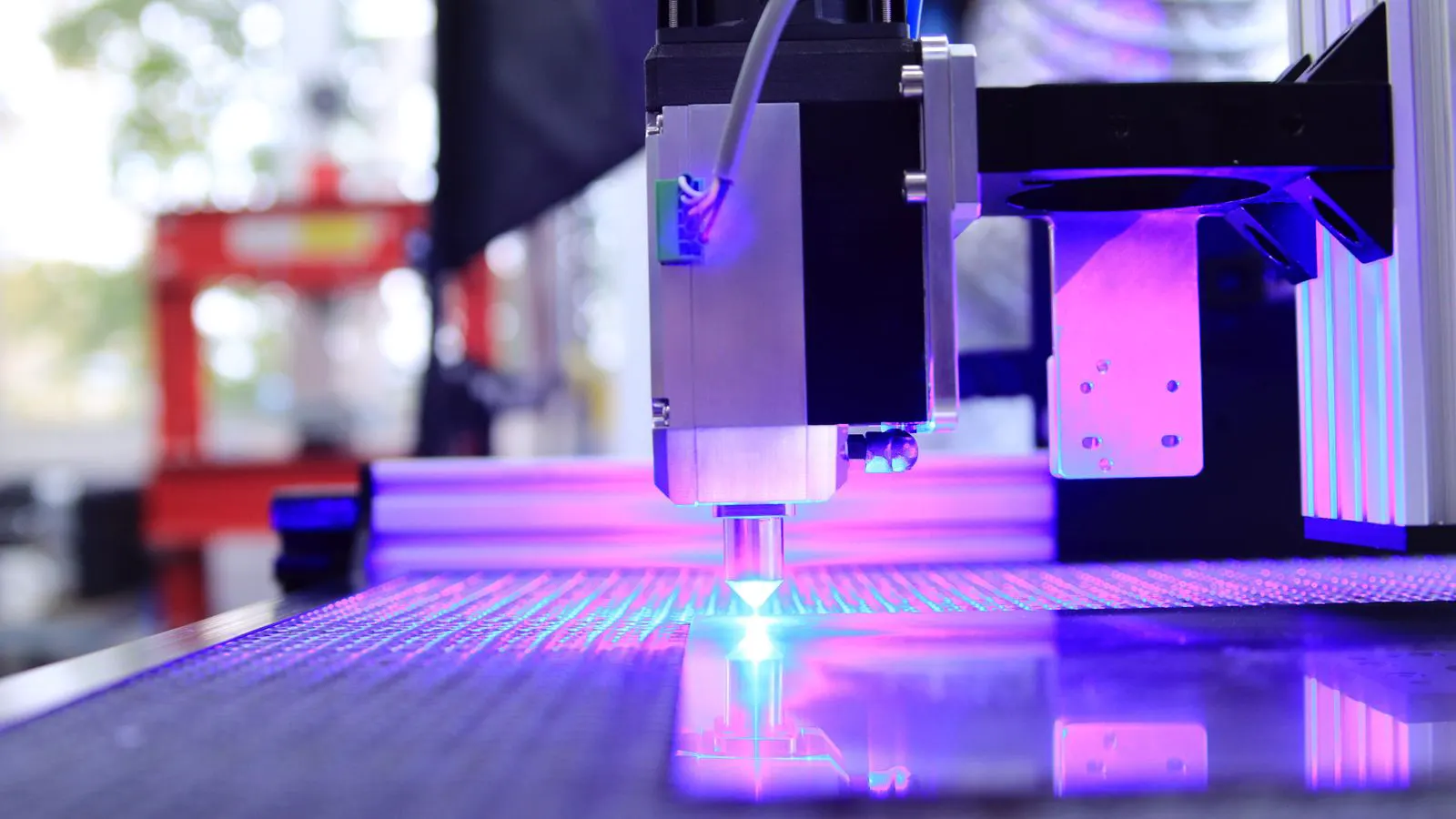
FDM and SLS differ significantly in chemical resistance. SLS nylon offers better resistance to many solvents and oils, while FDM PLA and PETG are vulnerable to aggressive chemicals. Selecting the process depends on the specific chemical, temperature, and exposure duration.
- SLS nylon generally resists oils, greases, and many solvents better than FDM PLA or ABS.
- FDM is better for high-temperature service with specific engineering resins like PEEK or PEI.
- Always verify chemical compatibility data for your specific resin and process.
- Part geometry and surface finish affect chemical absorption in both processes.
- Use material selection guides and exposure testing before finalizing a design.
Understanding Chemical Exposure in Additive Manufacturing
Chemical exposure is a primary failure mode for polymer parts in industrial settings. A part that fits perfectly in the design software can fail if the resin or filament degrades under a specific solvent, acid, or base. The choice between FDM and SLS is rarely about strength or speed. It is about which polymer matrix survives the operating environment.
The core difference lies in the material structure and the available chemistry. FDM extrudes melted thermoplastic filament. SLS sinters powdered material with a laser. Both use polymers, but the processing method changes the density, porosity, and available material families.
Engineers must map the chemical exposure to the polymer chemistry. A part handling mild detergent is a different problem from a part handling concentrated sulfuric acid. The process selection must align with the specific chemical, the temperature, and the duration of contact.
FDM Chemical Resistance: Process Characteristics
FDM parts are built by layering melted thermoplastics. The layer lines are the defining feature. These lines create micro-channels where chemicals can penetrate. A solvent does not attack the bulk material instantly. It first wicks into the interlayer gaps.
The most common FDM materials are PLA, ABS, PETG, and nylon. PLA is brittle and has poor resistance to many solvents and oils. It can become brittle or dissolve in acetone. ABS resists water and many alcohols but is vulnerable to ketones and esters. PETG offers better chemical resistance than PLA, particularly for acids and bases, but it is not a universal solution.
Engineering resins change the picture. FDM processes can handle PEEK, PEI, and Ultem. These materials resist a broad range of industrial chemicals. However, they require high temperatures, which limits the printer size and complexity. For most industrial FDM jobs, the material choice is constrained by the filament feedstock.
The surface finish of FDM parts also matters. A raw FDM part has visible ridges. Chemicals accumulate in these ridges. Post-processing, such as sanding or vapor smoothing, changes the chemical resistance. A vapor-smoothed ABS part resists solvents better than a raw part. The surface is denser. The interlayer gaps are less accessible.
SLS Chemical Resistance: Process Characteristics
SLS uses powdered material, most commonly nylon 11 or nylon 12. The laser fuses the powder into a solid part. The result is a dense, porous structure. The surface is matte and uniform. There are no layer lines. This changes how the part interacts with chemicals.
Nylon resins absorb moisture. This is a material property, not a defect. The absorbed water can change the chemical resistance. A dry nylon part and a wet nylon part may behave differently in a solvent. The water can plasticize the material. It can also dilute the chemical.
SLS nylon resists many chemicals. It handles many oils, greases, and solvents better than PLA or ABS. It is resistant to mild acids and bases. However, it is vulnerable to strong ketones and some esters. The limit is the same as with FDM. It depends on the specific chemical and the exposure conditions.
The surface finish of SLS parts is uniform. There are no layer lines to trap chemicals. The powder bed creates a slightly textured surface. This texture can hold dust and debris. It does not create the same chemical wicking channels as FDM layer lines.
The density of SLS parts is higher than FDM parts. The laser fusion is more complete. This reduces porosity. A denser part resists chemical penetration better. The material is more homogeneous. There are no weak points where the filament was not fully melted.
Comparison of FDM vs SLS Chemical Resistance
The choice between FDM and SLS for chemical exposure parts depends on the specific requirements. The table below summarizes the key differences.
| Option | Best for | Limitations |
|---|---|---|
| FDM (PLA) | Low-cost prototyping, non-chemical service | Poor resistance to solvents, oils, and heat |
| FDM (ABS) | Moderate chemical service, heat resistance | Vulnerable to ketones and esters, layer lines |
| FDM (PETG) | Acid and base resistance, general use | Less dense than SLS, lower temperature ceiling |
| FDM (PEEK) | High-temperature, aggressive chemical service | High cost, requires specialized equipment |
| SLS (Nylon) | General industrial chemical service, complex shapes | Moisture absorption, vulnerable to strong ketones |
FDM is better when you need high-temperature resistance with a specific resin. PEEK and PEI handle extreme chemicals and temperatures. They are not available in SLS for most industrial printers.
SLS is better for general chemical service. Nylon resists a wider variety of everyday industrial chemicals. The uniform surface and higher density reduce chemical penetration. The part geometry can be complex. This is useful for parts with many small features that might trap chemicals.
The material selection must match the chemical. A part handling mild detergent can use PETG or nylon. A part handling concentrated acid may need PEEK or a specific nylon grade. The process is the second consideration. The material is the first.
How to Select the Right Process for Chemical Exposure
Selecting the process starts with the chemical. Identify the chemical, the concentration, the temperature, and the duration. A part exposed to a mild solvent for hours is different from a part exposed to a concentrated acid for years.
Next, consider the part geometry. Complex parts with many small features are harder to clean. Chemicals can accumulate in the cavities. SLS handles complex geometry well. FDM can struggle with overhangs and small features. The geometry must be cleanable.
The surface finish is a major factor. FDM layer lines create channels. SLS powder texture is uniform but can hold debris. Post-processing changes the resistance. A vapor-smoothed part resists chemicals better than a raw part.
The service temperature matters. Chemicals are more aggressive at higher temperatures. A part that resists a solvent at room temperature may degrade at 80 degrees Celsius. The polymer’s melting point and glass transition temperature are critical.
The cost and lead time are secondary factors. A part that fails in three months is more expensive than a part that lasts three years. The initial cost of FDM is lower. The cost of SLS is higher. The total cost of ownership includes the part lifespan.
Practical Examples of Chemical Exposure Parts
A pump seal in a water treatment plant handles mild chlorine. SLS nylon is a good fit. It resists the chlorine. The complex geometry of the seal is easy to print. FDM PETG could also work, but the layer lines might trap the chlorine.
A valve in a solvent recovery system handles acetone. FDM nylon or PEEK is a better choice. SLS nylon is vulnerable to acetone. The PEEK resists the solvent. The high cost of PEEK is justified by the chemical resistance.
A bracket in a battery manufacturing line handles mild sulfuric acid. SLS nylon or FDM PEEK are good options. The acid is mild. The temperature is moderate. The part needs to be complex. SLS is the better choice.
A nozzle in a fuel injection system handles gasoline. FDM nylon or SLS nylon are good options. The fuel is a mild solvent. The temperature is moderate. The part needs to be dense. SLS is the better choice.
Common Mistakes in Material Selection
The most common mistake is assuming a material resists all chemicals. A part labeled “chemical resistant” is not a universal solution. The chemical compatibility depends on the specific chemical and the conditions.
Another mistake is ignoring the surface finish. A raw FDM part has layer lines. These lines trap chemicals. A raw SLS part has a matte texture. This texture can hold debris. Post-processing is not optional. It is required for chemical service.
The third mistake is not testing the part. A prototype may fail in the test. The production part may fail in the field. The test must mimic the real conditions. The chemical, the temperature, and the duration must match.
The fourth mistake is not checking the material data. The material supplier provides chemical compatibility data. The engineer must read this data. The data is not always complete. The engineer must verify the data with a test.
Verifying Chemical Resistance Data
The material supplier provides a chemical compatibility chart. The chart lists the chemicals and the conditions. The engineer must match the chart to the real conditions. The chart is a guide. It is not a guarantee.
The test is the final verification. The engineer takes a small part of the production material. The engineer exposes the part to the chemical. The engineer measures the change. The change is measured in weight, dimensions, or appearance.
The test must be repeated. A single test is not enough. The engineer must test at the worst-case conditions. The engineer must test for the full service life. The test must be documented.
The result is a decision. If the part passes, the engineer can proceed. If the part fails, the engineer must change the material or the process. The decision must be based on data. It must not be based on assumption.
Final Considerations for Industrial Applications
The choice between FDM and SLS is not a simple answer. It depends on the chemical, the temperature, the geometry, and the cost. The material is the first factor. The process is the second factor.
For general chemical service, SLS nylon is a strong choice. It resists a wide variety of chemicals. The uniform surface and high density reduce chemical penetration. The complex geometry is easy to print.
For high-temperature and aggressive chemical service, FDM PEEK or PEI is a strong choice. These resins resist extreme chemicals and temperatures. They are not available in SLS for most industrial printers.
The engineer must verify the data. The engineer must test the part. The engineer must document the results. The decision must be based on facts. It must not be based on assumptions.
The process selection is a technical decision. It is not a marketing decision. The engineer must choose the process that meets the requirements. The requirements are the chemical, the temperature, and the service life.
The final decision is made by the engineer. The engineer must have the data. The engineer must have the test results. The engineer must have the documentation. The decision must be based on facts.
Frequently asked questions
Is SLS nylon more chemically resistant than FDM PLA?
Yes. SLS nylon resists a wider variety of chemicals than FDM PLA. PLA is vulnerable to many solvents and oils. Nylon is more resistant to mild acids, bases, and solvents.
Can FDM parts be used for chemical exposure?
Yes. FDM parts can be used for chemical exposure if the right resin is selected. PEEK, PEI, and nylon filaments resist many chemicals. The layer lines must be managed.
How do I choose between FDM and SLS for a chemical part?
Start with the chemical and the temperature. Identify the chemical, the concentration, and the duration. Select a resin that resists that chemical. Choose the process that can print the geometry.
Does SLS nylon absorb chemicals?
Nylon absorbs moisture. It can absorb some chemicals. The absorption changes the chemical resistance. The part must be tested under real conditions.
Is FDM PEEK better than SLS nylon for chemical exposure?
FDM PEEK is better for high-temperature and aggressive chemical service. SLS nylon is better for general chemical service. The choice depends on the specific chemical and the temperature.