Dedicated vs Shared Metal AM Machine: Cost Implications
Owning a dedicated metal AM machine offers control and predictability but requires high upfront capital and specialized staff. Shared resources lower entry barriers and allow flexible capacity, yet limit scheduling and throughput. The best choice depends on part volume, material mix, and long-term production goals.
- Dedicated machine ownership suits stable, high-volume production with consistent part requirements and the budget for specialized engineering staff.
- Shared metal AM resources reduce capital risk and allow teams to test materials and processes before committing to full ownership.
- Production cost depends on machine utilization, material selection, post-processing, and maintenance, not just the initial purchase price.
- Hybrid models can combine owned machines for core parts with shared capacity for prototypes or overflow work.
- Evaluate total cost of ownership, including consumables, downtime, and skill requirements, before choosing a model.
What drives the cost of a metal AM machine?
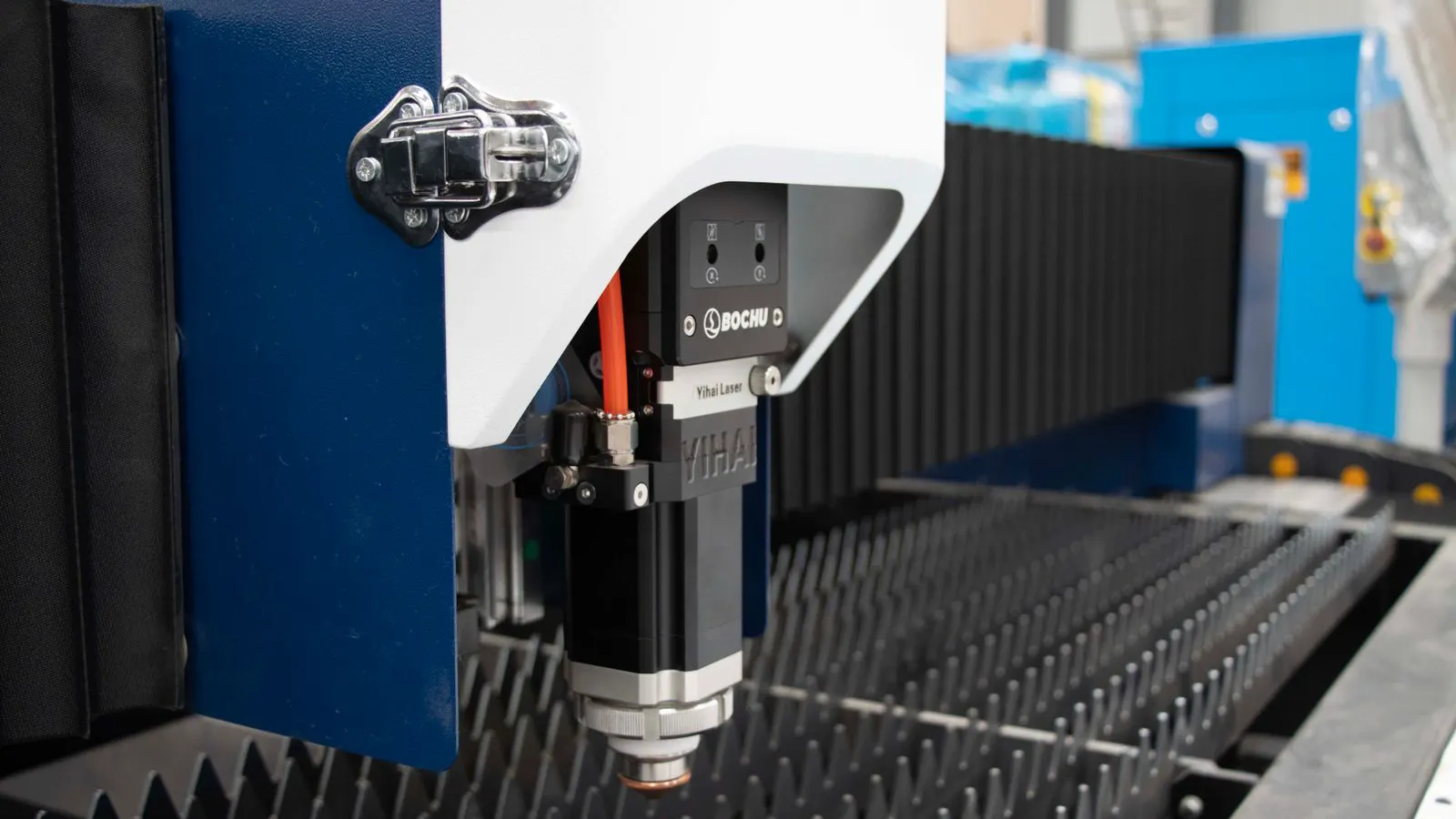
A metal AM machine is not just a printer. It is a production system that includes the build chamber, powder handling, preheat, post-processing, and quality checks. The purchase price is only one part of the equation.
The total cost includes capital expenditure, materials, power, maintenance, operator time, and post-processing. A laser powder bed fusion system, for example, requires inert gas, metal powder, support removal, heat treatment, and inspection. These costs continue after the first part leaves the machine.
Machine ownership also creates ongoing responsibilities. Teams need trained technicians for loading, monitoring, and unloading. They need engineers to manage process parameters and fix defects. They need quality staff to verify part performance. If the machine sits idle, the cost per part rises quickly.
Shared resources change this dynamic. When you access a machine through a service provider or a shared facility, the capital cost shifts to the provider. You pay for build time, material, and post-processing. The provider handles maintenance and some quality checks. This lowers the barrier to entry, but it also reduces control over scheduling and process changes.
How does dedicated ownership compare to shared access?
The decision between owning a machine and using a shared resource comes down to volume, control, and risk.
| Option | Best for | Limitations |
|---|---|---|
| Dedicated owned machine | High-volume production, consistent part families, IP protection | High upfront cost, need for full staff, limited flexibility for small or one-off jobs |
| Shared metal AM provider | Prototyping, low-volume production, material testing, overflow work | Less control over scheduling, higher per-part cost at scale, dependency on provider capacity |
| Hybrid model | Growing production with core parts on owned machines and overflow on shared capacity | More complex management, need to balance utilization between owned and shared assets |
| In-house shared fleet | Large manufacturing groups with multiple teams | Requires central management, shared scheduling, and clear cost allocation rules |
| Service bureau partnership | Teams without dedicated AM engineers or post-processing labs | Limited process control, longer lead times, potential material or quality inconsistencies |
A dedicated owned machine makes sense when production is stable and predictable. If you are running a small batch of aerospace brackets or medical implants every week, ownership can pay off. You control the schedule, the process, and the quality. You can make small process changes without waiting for approval. You protect sensitive design files inside your facility.
Shared access makes sense when volume is low or uncertain. If you are developing a new product or testing a new alloy, a shared provider lets you run builds without buying a machine. You can also use shared capacity for overflow work when your owned machine is down for maintenance.
What are the hidden costs of machine ownership?
The purchase price is visible. The hidden costs are harder to see.
The first hidden cost is staffing. A metal AM machine needs people who understand powder handling, laser parameters, and defect prevention. A technician who has run a polymer printer may need significant retraining. If you hire a full engineering team just to run one machine, the cost per part can become very high.
The second hidden cost is utilization. A machine that runs only twenty percent of the time has a much higher cost per part than one that runs at a steady pace. Many teams buy a machine to handle expected demand but then discover that demand is lower than planned. The machine sits idle, and the capital cost remains.
The third hidden cost is post-processing. Metal parts often need support removal, heat treatment, machining, and inspection. If you do not have the equipment or staff for these steps, you may need to outsource them. That adds cost and lead time.
Maintenance is another factor. Metal AM systems use lasers, powder, and high temperatures. They need regular service. If you buy a machine without a maintenance plan, downtime can be expensive.
How do production costs change with shared resources?
Shared resources change the cost structure in a predictable way. You pay more per part than you might with full ownership, but you avoid the fixed costs of staff, maintenance, and capital.
When you use a shared provider, you usually pay for build time, material, and post-processing. Some providers include quality checks. Some do not. The price depends on the material, the part size, and the complexity of the job.
The main advantage is flexibility. You can scale up or down without buying or selling equipment. If demand spikes, you can send work to a provider. If demand drops, you do not have to pay for idle capacity.
The main disadvantage is control. You may not choose the exact powder lot, the exact process parameters, or the exact post-processing sequence. You may not have access to detailed process data. If a part fails, the provider may not share enough information to help you fix the design.
Shared resources also create scheduling risk. If a provider is busy, your job may wait. If a machine is down, your build may be delayed. For time-sensitive production, this can be a problem.
When should you buy a dedicated metal AM machine?
You should consider buying a dedicated metal AM machine when your production needs are stable and growing.
Buy when you have a consistent part family. If you are producing a small set of parts in repeated batches, ownership can reduce the cost per part over time. You can optimize the process for those parts. You can keep powder and support systems tuned.
Buy when you need IP protection. If your designs are sensitive, running them in your own facility gives you more control than sending files to a provider.
Buy when you need process control. If you are running a regulated industry, you may need to control every step of the process. Ownership lets you document and repeat your process more easily.
Buy when you have the staff. If you already have metal AM engineers, technicians, and quality staff, adding a machine is easier than starting from scratch.
Do not buy when your production is uncertain. If you do not know the part mix or volume, a shared provider lets you learn without committing to a large capital purchase.
When should you use a shared metal AM resource?
Use a shared metal AM resource when you need flexibility and lower risk.
Use shared access for prototyping and design validation. You can test a new geometry, a new material, or a new process without buying a machine. You can also use shared capacity for small production runs while you decide whether to buy.
Use shared access when you lack internal expertise. If your team does not have experienced metal AM engineers, a provider can handle the technical work. You focus on design and production planning.
Use shared access when you need overflow capacity. If you already own a machine and demand exceeds your capacity, a provider can handle the extra work. This reduces the need to buy a second machine immediately.
Use shared access when you want to compare materials. Different providers may use different powder sources and process settings. You can test a few options before choosing one to standardize on.
How to choose the right model for your production
The right model depends on your part volume, material mix, and long-term goals.
Start by defining your production profile. How many parts do you need each month? How many unique part numbers? How often do designs change? What materials do you use? What is your quality requirement?
Next, estimate your cost per part under each model. For ownership, include capital, staff, maintenance, materials, and post-processing. For shared access, include per-part fees and any setup or engineering costs. Compare the two at your expected volume.
Do not look only at the machine price. A cheaper machine may have higher operating costs. A more expensive machine may run faster or use less power. A shared provider may charge more per part, but it may save you the cost of hiring staff.
Consider a hybrid approach. Keep a dedicated machine for your core parts. Use shared capacity for prototypes, overflow, and special materials. This lets you balance control and flexibility.
Finally, plan for growth. If your production is likely to increase over the next few years, ownership may become more attractive. If your production is expected to stay low or fluctuate, shared access may remain the better choice.
What questions to ask before you decide
Ask these questions before choosing a model.
- What is the expected annual part volume for each material?
- How stable is the part mix over the next two years?
- Do you have experienced metal AM engineers and technicians?
- What is your post-processing capability in-house?
- How much IP protection do you need?
- What is your quality requirement, and who will own it?
- What is your tolerance for scheduling delays?
- What is your capital budget, and can you support ongoing staffing costs?
The answers will point you toward the right model. If you have high volume, stable parts, and internal expertise, ownership is likely the better fit. If you have low volume, changing parts, or limited expertise, shared access is likely the safer choice.
Final thoughts on the trade-off
The choice between a dedicated metal AM machine and a shared resource is not a one-time decision. Production needs change. Materials change. Quality requirements change. A team that starts with shared access may move to ownership as volume grows. A team that buys a machine may add shared capacity to handle overflow or new materials.
The goal is to match the model to your production reality. Do not buy a machine because it looks like the future. Do not use a shared service because it is cheaper today if it will limit your growth tomorrow. Match the model to your parts, your people, and your production plan.
Frequently asked questions
Is a dedicated metal AM machine always more expensive than a shared one?
Not always. Ownership has higher upfront cost but can lower the cost per part at high volume. Shared access has lower upfront cost but higher per-part cost and less control.
Can I use a shared metal AM provider for production parts?
Yes, if the provider meets your quality and documentation requirements. Many teams use shared providers for low-volume production or overflow work.
What is the main risk of owning a metal AM machine?
Low utilization. If the machine does not run at a steady pace, the cost per part rises and the capital investment becomes harder to justify.
How much staff do I need to run a dedicated metal AM machine?
A minimum team usually includes a technician, an engineer, and a quality person. Larger operations may need additional support for maintenance and post-processing.
Should I buy a machine before I have enough production volume?
Only if you can support the staffing, maintenance, and post-processing costs. If volume is uncertain, start with shared access and revisit ownership when production stabilizes.