PBF vs EBAM for High-Volume Structural Metal Parts
PBF is often preferred for high-volume structural parts due to mature tooling and material availability. EBAM excels in vacuum-processed, large-scale components. The choice depends on part size, material, and production scale.
- Laser powder bed fusion offers broader material choices and higher production maturity for structural parts.
- Electron beam additive manufacturing operates in vacuum, reducing oxidation and enabling large, high-integrity parts.
- PBF is generally more cost-effective and faster for high-volume production.
- EBAM is better suited for specialized, large-scale, or low-oxygen applications.
- Process selection should align with part size, material requirements, and production volume.
Introduction
Choosing between laser powder bed fusion and electron beam additive manufacturing for high-volume structural metal parts requires careful evaluation of process maturity, material availability, and production economics. Both technologies offer significant advantages, but each has distinct operational constraints that influence suitability for structural applications. This comparison examines when to select each process based on real-world production considerations.
How PBF and EBAM Differ Fundamentally
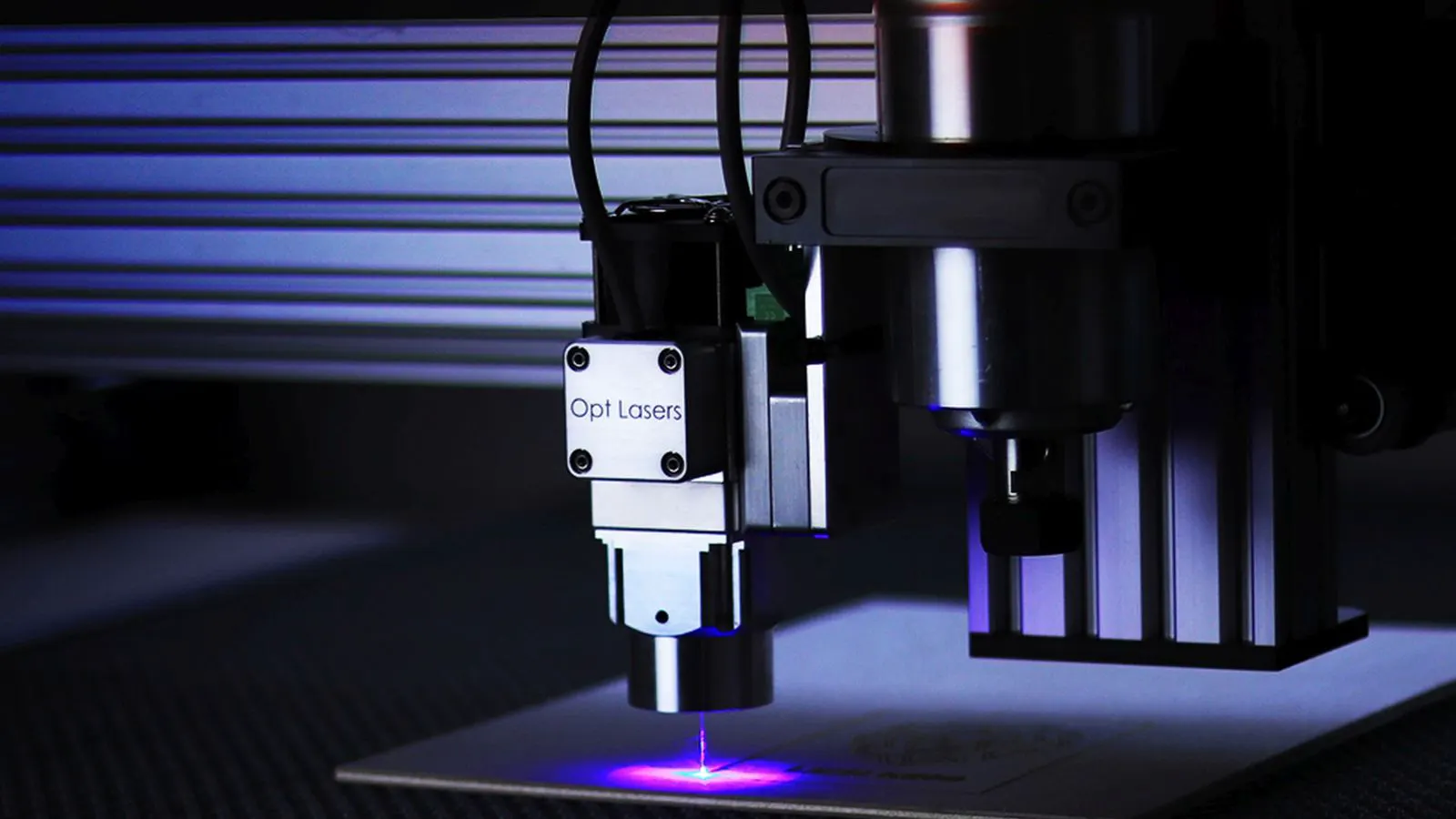
Laser powder bed fusion uses a high-power laser to sinter metal powder in a controlled atmosphere, typically argon or helium. The process builds parts layer by layer in an open chamber, allowing for rapid cycle times and mature production workflows.
Electron beam additive manufacturing uses a high-energy electron beam to melt metal powder in a vacuum environment. This approach eliminates the need for inert gas shielding and enables the use of reactive materials that would otherwise oxidize in atmospheric conditions.
The fundamental difference lies in the energy source and operating environment. PBF operates at atmospheric pressure with inert gas shielding, while EBAM operates in high vacuum. This distinction affects material handling, part integrity, and production scalability.
When to Choose Laser Powder Bed Fusion
Laser powder bed fusion is the preferred choice for most high-volume structural metal parts due to its maturity and production efficiency. The process has established tooling, a wide range of certified materials, and extensive qualification documentation.
PBF excels in applications requiring complex geometries, high surface finish quality, and rapid iteration. The laser source allows for precise energy control, enabling engineers to optimize melt pool parameters for specific material grades.
For structural applications, PBF provides proven fatigue performance and predictable mechanical properties. The process supports both wrought and cast material equivalents, giving engineers flexibility in material selection.
Production line integration is straightforward, with established powder handling systems and post-processing workflows. The mature ecosystem means shorter qualification timelines and lower risk for new part introductions.
When to Choose Electron Beam Additive Manufacturing
Electron beam additive manufacturing is the better choice when part size, material reactivity, or vacuum processing is a critical requirement. EBAM can produce larger parts in a single build without the powder bed height limitations that constrain PBF.
The vacuum environment prevents oxidation of reactive metals, making EBAM suitable for materials that are difficult or impossible to process in PBF. This capability expands the range of structural materials available to engineers.
EBAM also offers the advantage of producing parts with higher density and lower porosity in certain applications. The electron beam’s deep penetration and reduced thermal distortion can result in superior mechanical integrity for critical structural components.
However, EBAM requires specialized vacuum chamber equipment and has a less developed production ecosystem. Material handling in vacuum conditions presents additional challenges, and the process has a smaller pool of experienced operators and qualified suppliers.
PBF vs EBAM Comparison Table
| Option | Best for | Limitations |
|---|---|---|
| Laser powder bed fusion | High-volume structural parts with complex geometries; broad material range; rapid iteration; mature production workflows | Limited by powder bed height; requires inert gas shielding; material oxidation risk in reactive alloys |
| Electron beam additive manufacturing | Large structural components; reactive materials; vacuum processing requirements; high-density parts | Smaller production ecosystem; specialized equipment; limited material handling in vacuum; higher initial setup complexity |
| PBF with pre-alloyed powder | Standard structural alloys; high-volume production; cost-sensitive applications | Limited to commercially available powder grades; post-processing often required for critical dimensions |
| EBAM with virgin metal | Reactive materials; large single-piece structural components; high-integrity applications | Slower production rates; limited material availability; specialized expertise required |
| Hybrid PBF-EBAM | Applications requiring both large part sizes and broad material range | Complex production setup; requires multi-process capability; higher capital investment |
Production and Cost Considerations
For high-volume structural parts, production cost is a critical factor. Laser powder bed fusion generally offers lower per-part costs due to higher build rates, mature powder handling systems, and a larger supplier base. The process has been optimized for production use, resulting in shorter cycle times and lower operating costs.
Electron beam additive manufacturing typically has higher initial equipment costs and slower build rates. The vacuum chamber requirements add complexity to maintenance and operation. However, for large parts or reactive materials where PBF is not viable, EBAM can be the only viable option.
Lead time is another consideration. PBF has shorter qualification timelines due to extensive material data and established testing protocols. EBAM may require longer qualification periods because of the smaller body of published data and fewer qualified suppliers.
For high-volume production, PBF’s mature ecosystem supports better scalability. Production lines can be optimized for throughput, and material sourcing is straightforward. EBAM production lines are more complex and require specialized expertise, which can limit scalability.
Material and Qualification Implications
Material selection heavily influences the PBF versus EBAM decision. Laser powder bed fusion supports a wide range of structural alloys, including maraging steels, nickel superalloys, titanium alloys, and stainless steels. The availability of certified powder grades with full material traceability supports structural qualification.
Electron beam additive manufacturing excels with reactive metals and materials that are difficult to process in atmospheric conditions. The vacuum environment allows for the use of pure metals and reactive alloys that would oxidize in PBF. However, the range of commercially available EBAM materials is currently smaller than PBF.
For structural applications, qualification requirements are stringent. PBF has extensive qualification documentation, including fatigue data, mechanical property reports, and process validation studies. EBAM qualification data is more limited, which may extend the qualification timeline for critical structural parts.
Both processes require careful material management to ensure consistency. PBF requires attention to powder flow properties and moisture control. EBAM requires careful control of vacuum levels and electron beam stability.
Final Selection Guidance
For most high-volume structural metal parts, laser powder bed fusion is the recommended choice due to its production maturity, material availability, and cost efficiency. The process is well-suited for complex geometries, rapid iteration, and large-scale production.
Electron beam additive manufacturing is the better choice when part size, material reactivity, or vacuum processing is a critical requirement. For large structural components or reactive materials that cannot be processed in PBF, EBAM offers a viable alternative.
The decision should be based on a comprehensive evaluation of part specifications, material requirements, production volume, and qualification needs. Engineers should consider both processes and select the one that best aligns with their specific structural application requirements.
Frequently asked questions
What is the main advantage of PBF over EBAM for high-volume production?
PBF offers higher build rates, broader material availability, and a more mature production ecosystem, making it more cost-effective for high-volume structural parts.
Can EBAM produce parts with better structural integrity than PBF?
EBAM can produce parts with higher density and lower porosity in certain applications due to the vacuum environment and electron beam penetration, but PBF offers comparable integrity with more extensive qualification data.
What materials are better suited for EBAM?
EBAM is better suited for reactive metals and materials that oxidize in atmospheric conditions, such as certain pure metals and reactive alloys that are difficult to process in PBF.
How does lead time compare between PBF and EBAM for structural parts?
PBF typically has shorter lead times due to mature material data and established qualification protocols. EBAM may require longer qualification periods because of limited published data.
Is EBAM practical for high-volume production?
EBAM is currently less practical for high-volume production due to slower build rates, specialized equipment requirements, and a smaller production ecosystem compared to PBF.