2026 Trends in Outsource Metal AM Services
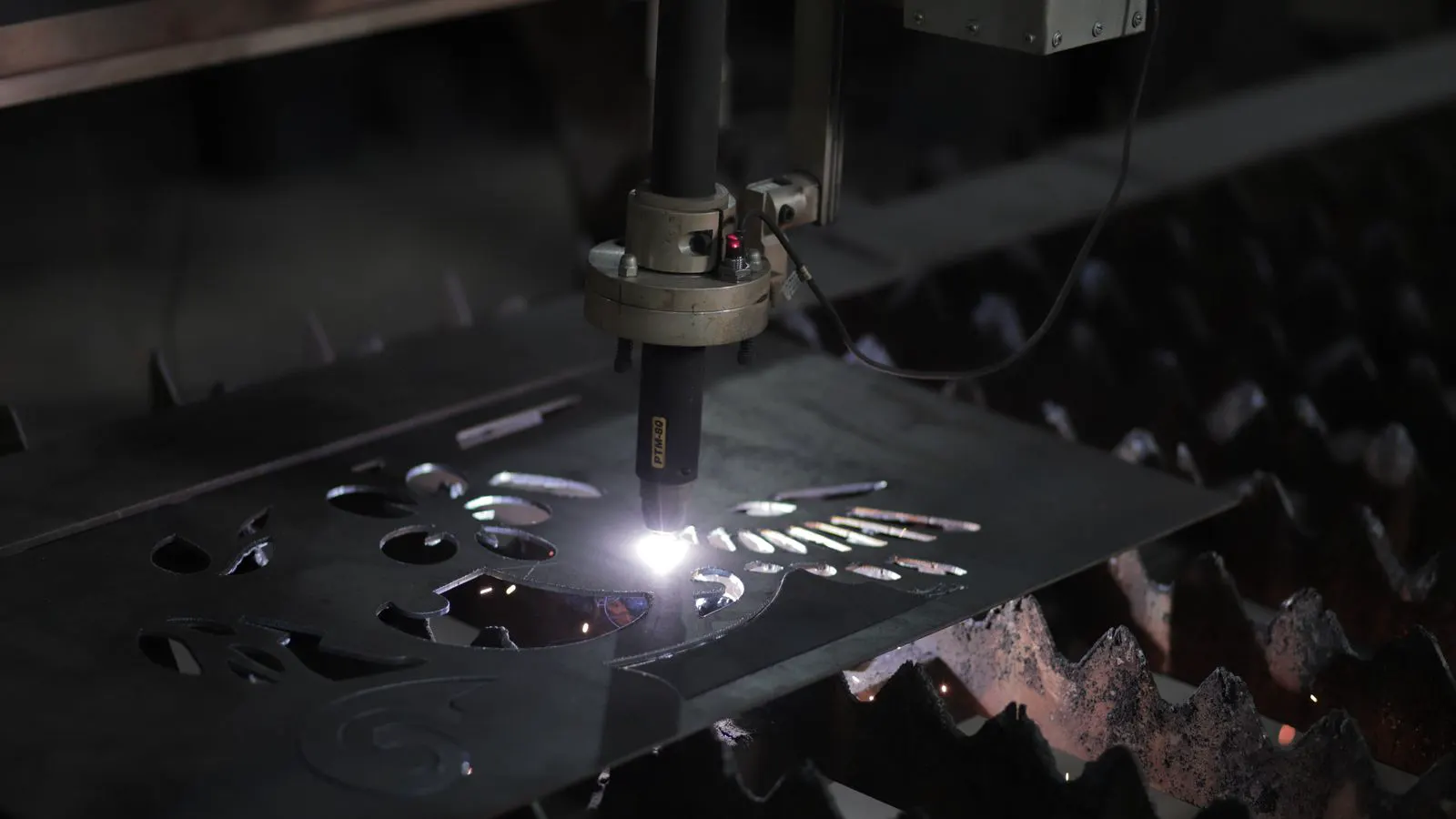
Metal AM service bureaus are evolving to support complex geometries, sustainable materials, and integrated supply chains. Buyers should plan for tighter tolerances, better material traceability, and design optimization to reduce costs and improve lead times.
- Service bureaus are shifting focus from simply printing parts to optimizing the entire product lifecycle.
- Design for AM is becoming a core service, helping buyers reduce part count and material waste.
- Material traceability and sustainability are moving from optional features to critical sourcing requirements.
- Integrated post-processing and quality assurance are becoming standard expectations rather than add-ons.
How Metal AM Service Bureaus Are Changing
The landscape of outsourced metal additive manufacturing is shifting from a simple “print and ship” model to a more integrated engineering partnership. Buyers are no longer just looking for a machine that produces a part; they are seeking partners who can help define the part, optimize the process, and manage the supply chain. This shift reflects a broader industry maturation where metal AM is moving from prototyping into high-value production and repair.
What Shifts Should Buyers Plan For in 2026?
Five key shifts define the current trajectory of the additive service bureau market. Understanding these trends will help you prepare your sourcing strategy and avoid common pitfalls when selecting a provider.
- Design Optimization as a Core Service: Leading bureaus now offer design-for-AM consultations as a standard part of the quote process. This involves reworking CAD models to take advantage of AM’s geometric freedoms, such as consolidating parts or reducing material weight.
- Tighter Tolerances and Better Surface Finishes: Advances in machine calibration and post-processing techniques mean that the gap between AM parts and traditional CNC-machined parts is narrowing. Buyers can expect more predictable surface qualities out of the machine.
- Material Traceability and Certification: As AM parts enter critical applications, the need for full material traceability is growing. Bureaus are increasingly offering detailed heat treatment logs and material certificates to support compliance.
- Sustainable Production Practices: With environmental regulations tightening, bureaus are focusing on energy efficiency and recycling of metal powders. Sustainable practices are becoming a differentiator in vendor selection.
- Integrated Quality Assurance: Quality control is moving upstream. Instead of just inspecting the final part, bureaus are providing real-time monitoring of the print process, allowing for early detection and correction of defects.
How to Evaluate a Service Bureau for These Trends
When evaluating an additive service bureau, look beyond the machine list. The following table outlines key capability areas to verify during your due diligence process.
| Capability Area | What to Look For | Why It Matters |
|---|---|---|
| Design Support | Dedicated engineers who can review CAD files for AM suitability. | Reduces part count and material waste early in the design phase. |
| Material Portfolio | Availability of certified, traceable materials for your specific alloy. | Ensures part performance and regulatory compliance. |
| Post-Processing | In-house capabilities for heat treatment, support removal, and finishing. | Reduces lead times and ensures consistent final quality. |
| Quality Systems | ISO certifications and detailed inspection reports (CMM, X-ray). | Provides confidence in part accuracy and structural integrity. |
| Sustainability | Powder recycling rates and energy usage metrics. | Supports your company’s environmental goals and reporting. |
How to Prepare Your Parts for Outsource Metal AM
Preparing your parts for a service bureau is a critical step in getting the best value from AM. Before sending your design to a provider, consider the following best practices to streamline the process and reduce costs.
- Review Your CAD for AM Suitability: Remove unnecessary features that do not add value. Consolidate multiple parts into a single assembly where possible to reduce assembly time and potential failure points.
- Define Tolerances and Surface Requirements: Clearly specify which dimensions are critical and what surface finish is required. This helps the bureau select the right build orientation and support strategy.
- Specify Material and Certification Needs: Identify the exact alloy grade and any required certifications (e.g., EN, ASTM). If you have specific heat treatment requirements, include them in your request.
- Request a Design-for-AM Review: Ask the service bureau to provide a DfAM report with your quote. This report should highlight potential savings, risks, and recommendations for your design.
How to Manage Costs and Lead Times in a Changing Market
As service bureaus evolve, the cost structure of metal AM is also changing. While the initial cost of AM parts may still be higher than traditional methods for high-volume production, the total cost of ownership is often lower when you factor in reduced assembly, material savings, and faster lead times. To manage costs effectively, focus on the following:
- Leverage Design Optimization: Even a small reduction in part count or material weight can significantly lower your overall cost.
- Standardize Materials: Using a smaller set of materials across multiple projects can help you negotiate better pricing and ensure supply consistency.
- Plan for Iteration: Build time into your project for design iterations. AM’s speed-to-market advantage is maximized when you can rapidly test and refine your designs.
- Consider Hybrid Manufacturing: For parts that require both AM and traditional machining, ask the bureau about hybrid services. This can reduce the number of vendors you need to manage and improve overall lead times.
How to Future-Proof Your Supply Chain
In a rapidly evolving market, flexibility is key to maintaining a resilient supply chain. Consider the following strategies to future-proof your sourcing decisions:
- Diversify Your Vendor Base: Working with multiple service bureaus can provide redundancy and competitive pricing. It also gives you access to a wider range of materials and technologies.
- Develop a Strategic Relationship: Move beyond transactional relationships by sharing your long-term goals with your service bureau. This allows them to proactively suggest improvements and innovations that align with your roadmap.
- Monitor Industry Trends: Stay informed about new materials, machine technologies, and regulatory changes. This knowledge will help you make informed decisions and avoid relying on a single technology.
- Invest in Internal Capabilities: Even if you outsource, having a basic understanding of AM processes and design principles in-house will help you evaluate quotes, manage projects, and make better decisions.
What This Means for Your Sourcing Strategy
The evolution of metal AM service bureaus presents both opportunities and challenges. By understanding the key shifts in the market and preparing your parts and processes accordingly, you can position your company to take full advantage of the benefits of additive manufacturing. Focus on design optimization, material traceability, and sustainable practices to reduce costs, improve quality, and future-proof your supply chain. The service bureau you choose will be a partner in your growth, not just a vendor for parts.
Frequently asked questions
What is the biggest difference between a traditional machining shop and a metal AM service bureau?
The biggest difference is the design philosophy. Traditional shops focus on removing material, while AM bureaus focus on building material, allowing for complex geometries and part consolidation.
How do I know if a service bureau is truly sustainable?
Look for specific metrics such as powder recycling rates, energy efficiency per part, and waste disposal practices. Reputable bureaus will be able to provide these details upon request.
Can I send a CAD file directly to a service bureau without any modifications?
You can, but it is highly recommended to request a design-for-AM review. This can uncover significant cost savings and performance improvements that you might miss on your own.
What is the typical lead time for a metal AM part?
Lead times vary depending on the part complexity and post-processing requirements, but often range from one to three weeks. This is generally faster than traditional tooling and machining for complex parts.
How important is material certification for non-critical parts?
While less critical for non-critical parts, having material certification provides peace of mind and ensures that the material performs as expected, even in less demanding applications.