SLS vs DMLS: Choosing a Service Bureau
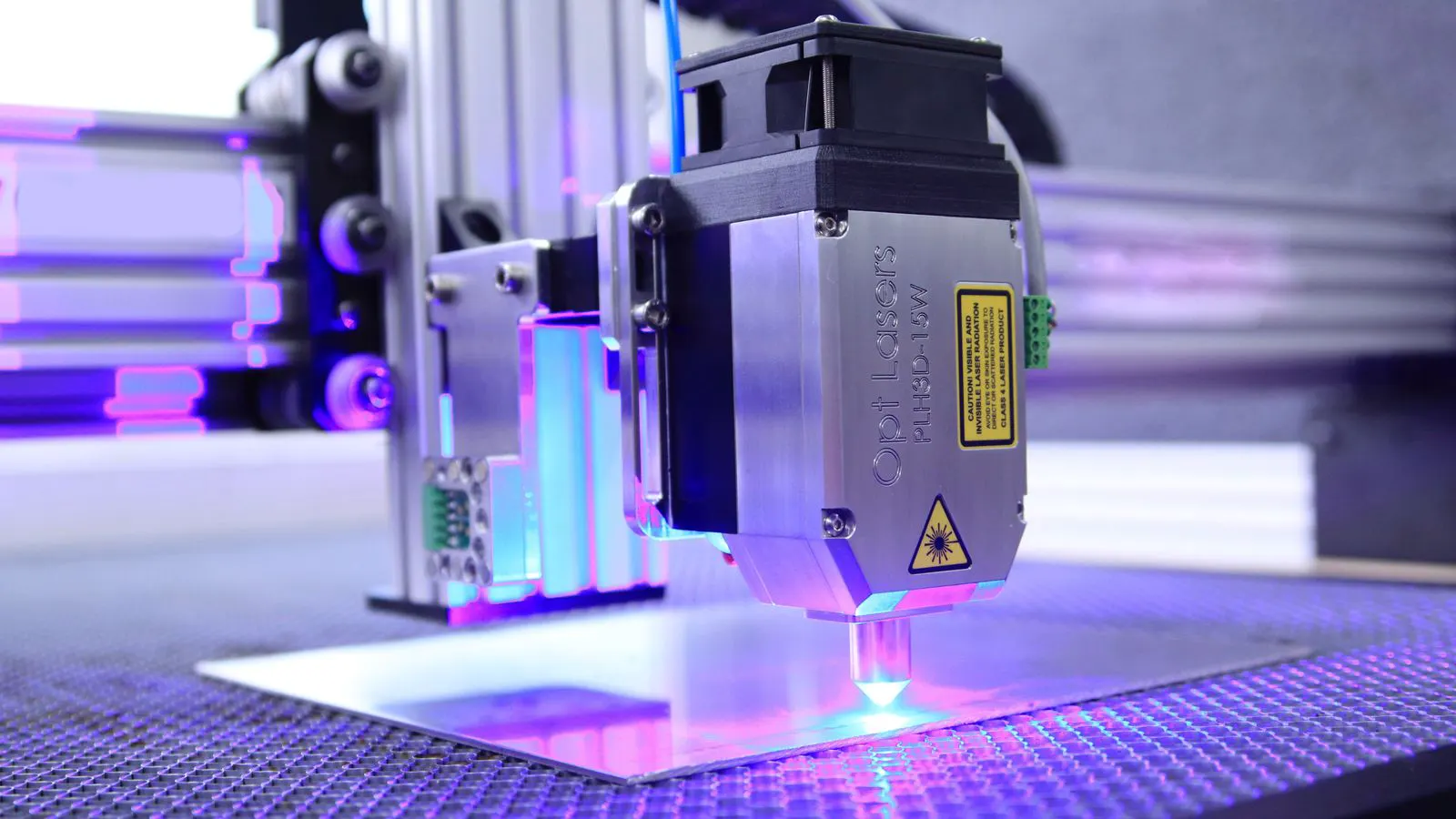
SLS suits complex plastic prototypes and end-use parts, while DMLS is better for metal components requiring high strength. Choose based on material, geometry, and volume.
- SLS is ideal for complex geometry and functional plastic parts without supports.
- DMLS produces strong metal components but requires post-processing and heat treatment.
- Service bureau selection should consider material, part volume, and budget.
- Outsource 3D printing when speed and expertise matter more than in-house control.
- Compare suppliers using capability checklists and sample lead times.
Introduction
Choosing between SLS and DMLS service is one of the most common decisions when outsourcing industrial 3D printing. Both processes are powder-bed based and can produce complex geometries, but they differ in material, mechanical performance, and post-processing. For professional buyers and engineers, the right choice depends on the part’s function, production volume, and budget. This guide compares the two processes and explains how to evaluate a 3D printing service bureau for your specific needs.
Which material matters most?
Material selection is the first factor that separates SLS and DMLS. SLS uses polymer powders such as nylon, polyamide, and other thermoplastics. DMLS uses metal powders like stainless steel, titanium, and aluminum. The material determines not only the final part’s behavior but also the service capabilities you need.
If your project requires lightweight, flexible, or electrical insulating parts, SLS is usually the better fit. If you need high tensile strength, heat resistance, or corrosion resistance, DMLS is typically required. Some service bureaus offer both processes, which can simplify sourcing. Others specialize in one or the other, so it is important to verify their material library before committing.
How does geometry influence the choice?
Both SLS and DMLS can print highly complex shapes, but they handle geometry differently. SLS does not require support structures because the surrounding powder acts as support. This makes it excellent for lattice structures, internal channels, and overhanging features. DMLS also supports complex shapes, but metal parts often need support structures that must be removed and cleaned after printing.
For parts with fine features, DMLS can achieve tighter tolerances in some applications, but the supports may leave surface marks. SLS parts usually have a matte, slightly textured surface and may require sanding or dyeing for a finished appearance. If your design has many undercuts or organic forms, SLS may reduce post-processing time. If you need precision in critical dimensions, DMLS may be preferable, but budget extra for machining or polishing.
What about strength and performance?
Metal parts from DMLS generally offer higher mechanical strength than plastic parts from SLS. DMLS can produce parts with near-isotropic properties, especially when heat-treated correctly. This makes it suitable for aerospace, medical, and tooling applications where load-bearing performance is critical. SLS parts are strong for plastic applications but are not a substitute for metal in high-stress environments.
However, SLS can outperform some injection-molded parts in complex, lightweight applications. The layer-to-layer bonding in SLS creates a strong, isotropic part that does not have the anisotropy often seen in FDM. For service bureaus, ask whether they can provide material test data, such as tensile strength and fatigue results, for the specific powder they use.
How do lead times and volume affect cost?
Outsource 3D printing decisions often hinge on lead time and production volume. SLS is well-suited for low-volume, on-demand production and rapid prototyping. A service bureau can often deliver SLS parts in days to weeks. DMLS parts may take longer because of support removal, heat treatment, and quality inspection.
For small batches, both processes can be cost-effective compared to traditional manufacturing. For larger volumes, SLS may become more competitive if the design remains complex. DMLS is often chosen when the part must be metal, even if volume is low. Always ask the bureau about their build-to-print time, not just the machine time. Include post-processing, certification, and shipping in your total cost.
What should you verify in a service bureau?
When comparing SLS vs DMLS service, the bureau’s capabilities matter as much as the process. Look for a 3D printing service bureau that can handle file preparation, simulation, and quality control. Metal service bureaus should describe their heat treatment, surface finish, and inspection methods. Plastic bureaus should explain their dyeing, texture, and post-treatment options.
Also verify their material sourcing and traceability. Reputable bureaus use certified powders and maintain lot tracking. They should be able to provide datasheets, certificates of conformance, and test reports. If your application is regulated, ask about ISO 9001, AS9100, or other relevant quality systems. Do not rely on marketing claims alone; request samples or past case studies that match your part type.
How to compare options: SLS vs DMLS service table
| Option | Best for | Limitations |
|---|---|---|
| SLS (Polymer) | Complex plastic parts, functional prototypes, low-volume production | Lower strength, heat resistance, and load capacity than metal |
| DMLS (Metal) | High-strength metal parts, aerospace, medical, tooling | Longer lead time, higher cost, more post-processing |
| SLS with custom materials | Specialty plastics, flexible or conductive parts | Limited material availability, may require supplier confirmation |
| DMLS with heat treatment | Critical load-bearing parts, fatigue applications | Extra cost and time for heat treatment and inspection |
| Hybrid service bureau | Projects that need both plastic and metal parts | May have separate teams and higher coordination overhead |
When to pick each process
Choose SLS service when your part is primarily functional, lightweight, and does not require metal-level strength. It is ideal for enclosures, housings, fixtures, and rapid prototypes. If you need a large batch of complex plastic parts, SLS can be a strong alternative to injection molding, especially when tooling costs are not justified.
Choose DMLS service when your part must be metal and must perform under high stress, heat, or corrosion. It is the right choice for jigs, fixtures, aerospace components, and medical implants. If your part has tight tolerance requirements and must be machined afterward, DMLS is often more predictable because the material properties are well understood.
In many cases, the best approach is to use both. Start with an SLS prototype to validate the design, then move to DMLS for the final metal part. A service bureau that can support both processes can help you streamline this transition. Always request a design-for-additive-manufacturing review, even if you believe your model is already optimized. Small changes can reduce build time, improve strength, and lower cost.
Final checklist for choosing a service bureau
- Confirm the material: SLS or DMLS, and the specific alloy or polymer.
- Check the part function: strength, heat, corrosion, or electrical requirements.
- Ask about post-processing: support removal, heat treatment, machining, surface finish.
- Request sample lead times and total cost, not just machine time.
- Verify quality systems, material traceability, and inspection methods.
- Ask for a sample or a small test part before committing to full production.
By focusing on material, geometry, performance, and supplier capability, you can make an informed decision between SLS and DMLS service. The right service bureau will not only print your part but also help you optimize it for additive manufacturing.
Frequently asked questions
Which is better for high-strength metal parts?
DMLS is generally better for high-strength metal parts because it uses metal powders and can be heat-treated for critical applications.
Can SLS parts be used as end-use components?
Yes, SLS parts are often used as end-use components when the function, heat resistance, and strength requirements are within plastic limits.
How long does it take to get DMLS parts from a service bureau?
Lead times vary by part size, material, and post-processing, but DMLS often takes longer than SLS due to heat treatment and inspection.
Should I outsource 3D printing or print in-house?
Outsourcing is often better for low-volume, complex parts or when you need specialized equipment and expertise without large capital investment.
Can a service bureau do both SLS and DMLS?
Yes, many service bureaus offer both processes, which can simplify sourcing and support design iterations from prototype to production.